direct sales events fit into types of event marketing
Direct sales events play a significant role in the different types of event marketing by providing brands with an opportunity to engage directly with consumers and drive immediate purchases. These events focus on face-to-face interactions, allowing businesses to showcase their products, demonstrate their value, and build relationships with potential customers. Unlike other marketing strategies that rely on digital engagement or indirect promotion, direct sales events create an immersive experience where consumers can experience products firsthand before making a buying decision.
One of the key ways direct sales events fit into types of event marketing is through their ability to generate instant revenue. Unlike trade shows or sponsorships, which primarily focus on brand exposure, direct sales events are designed to close sales on the spot. Whether hosted in a physical retail space, at a pop-up shop, or even through private gatherings, these events give brands the advantage of personal selling, which can be highly persuasive. Sales representatives can answer customer questions, address concerns, and highlight product benefits in real time, making it easier to convert interest into purchases.
Another advantage of direct sales events is the opportunity for personal engagement. In contrast to digital marketing strategies, which rely on online interactions, these events allow brands to build trust and credibility through human connection. Many consumers prefer to buy from a brand they feel personally connected to, and direct sales events create an environment where this connection is fostered. Whether through product demonstrations, exclusive deals, or one-on-one consultations, brands can use these events to develop stronger relationships with their target audience.
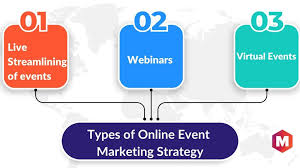
How do direct sales events fit into types of event marketing?
Direct sales events also complement other types of event marketing by serving as a testing ground for new products. Many companies use these events to introduce and demonstrate new offerings, gathering real-time feedback from attendees. This direct interaction helps businesses understand customer preferences, refine product features, and adjust pricing strategies based on immediate responses. Unlike large-scale promotional events or social media campaigns, direct sales events allow for instant feedback and more meaningful consumer insights, which can be invaluable for future marketing efforts.
Additionally, direct sales events are highly adaptable and can be tailored to different target markets. Some brands choose to host exclusive invite-only events for loyal customers, while others may opt for large-scale product showcases open to the public. Multi-level marketing companies, for example, frequently use direct sales events to introduce their products through home parties or networking gatherings. This flexibility makes them an effective tool within various industries, from beauty and fashion to technology and wellness.
When compared to other types of event marketing, direct sales events stand out for their focus on conversion. While influencer collaborations, brand sponsorships, and virtual events primarily aim to build awareness and engagement, direct sales events prioritize closing deals. However, when combined with other marketing efforts, they can enhance overall brand strategy by providing immediate sales while reinforcing long-term customer relationships. Ultimately, direct sales events offer a hands-on approach that strengthens customer trust, boosts sales, and creates memorable brand experiences, making them a valuable component of event marketing strategies.